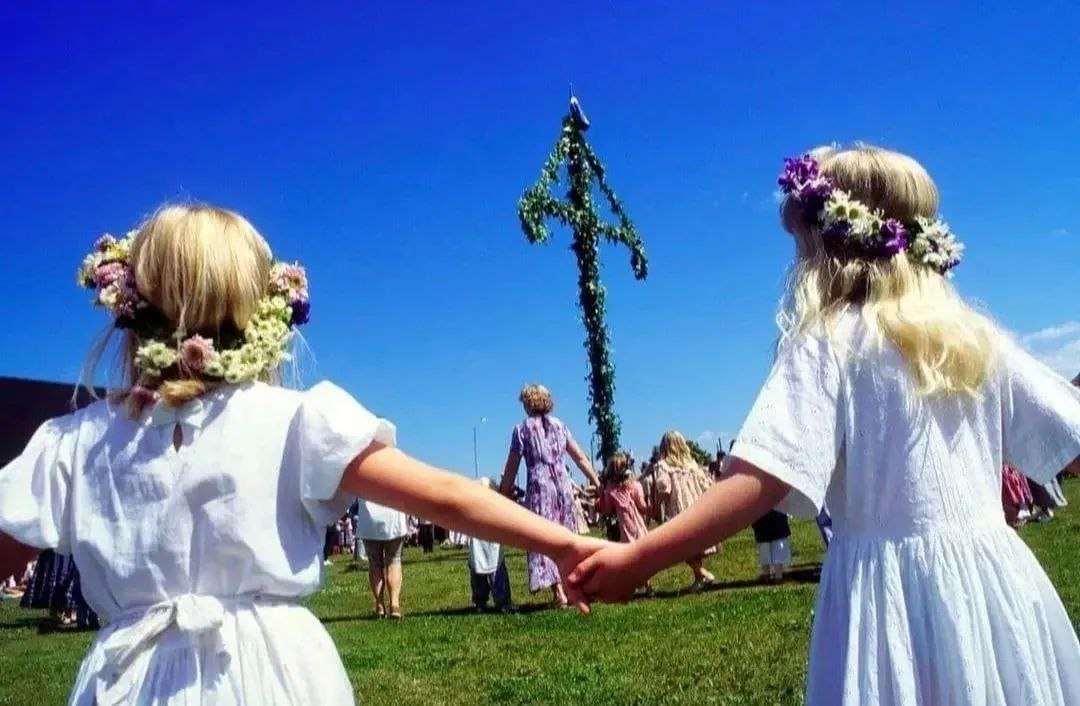
↟ Glad Midsommar! 🇸🇪

🇬🇧 – in comment below! ⬇️

☀️ Idag firas högtiden Midsommar som är en av Sveriges största och mest uppskattade högtid under året. I gamla bondesamhället var Midsommar/Sommarsolståndet en viktig brytpunkt: tiden innan Midsommar präglades av ett givande till jorden medans tiden efter var till för att skörda det jorden gav tillbaka.

☀️ Midsommar symboliserar fruktsamhet, lyckosamhet och framförallt årets ljusaste dag: Sommarsolståndet som inträffade i förrgår – den längsta och ljusaste dagen på året. Enligt gammal folktro anses nätterna vid Sommarsolståndet och Midsommar vara spirituella och fulla av under – nu när naturen är som ymnigast.

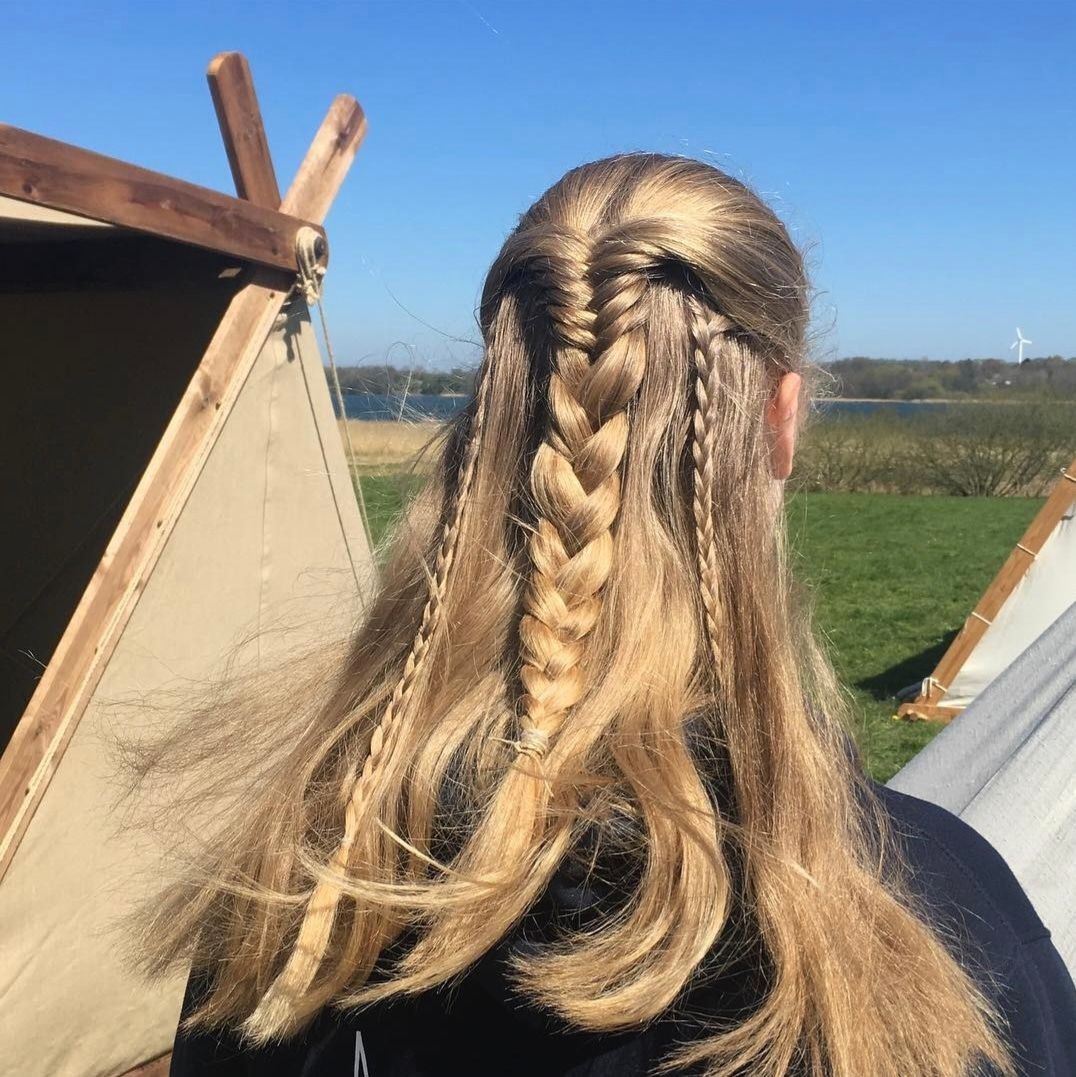
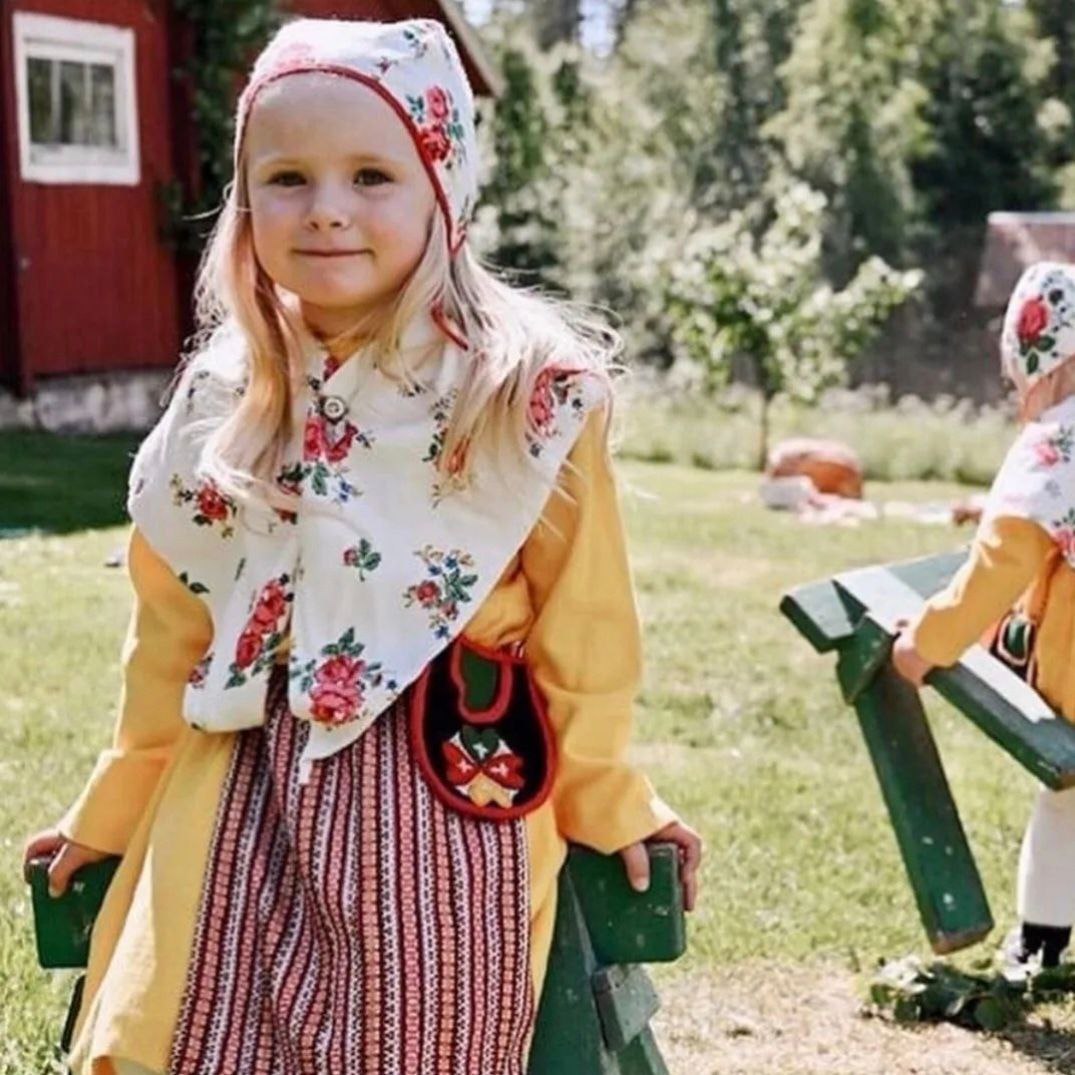
☀️ Vid denna tid enligt gammal tradition i Skandinavien skulle kvinnorna på gården gå ut på åkrar och fält för att väcka liv i naturen och alverna med sång och rim. Detta för att uppmuntra dem till att försäkra oss med en bra tillväxt och skörd. Här är det möjligt att traditionen med att kvinnor bär midsommarkransar grundar sig ifrån. En gammal sed som än lever kvar är också att kvinnor plockar nio olika sorters blommor och sedan lägger dem under huvudkudden för att drömma om sin framtida blivande make.

☀️ Midsommar är en uråldrig ursprungligen hednisk tradition som vi främst firar här i Skandinavien och i norra Europa. Skandinavien har uråldriga traditioner som grundar sig i våra olika årstider och solens position, likt just Sommarsolståndet (Midsommar) och den första fullmånen efter Vintersolståndet (Jóul) som etablerades långt före kristnandet av Skandinavien. Även andra europeiska folkgrupper firar solstånd på liknande grunder.

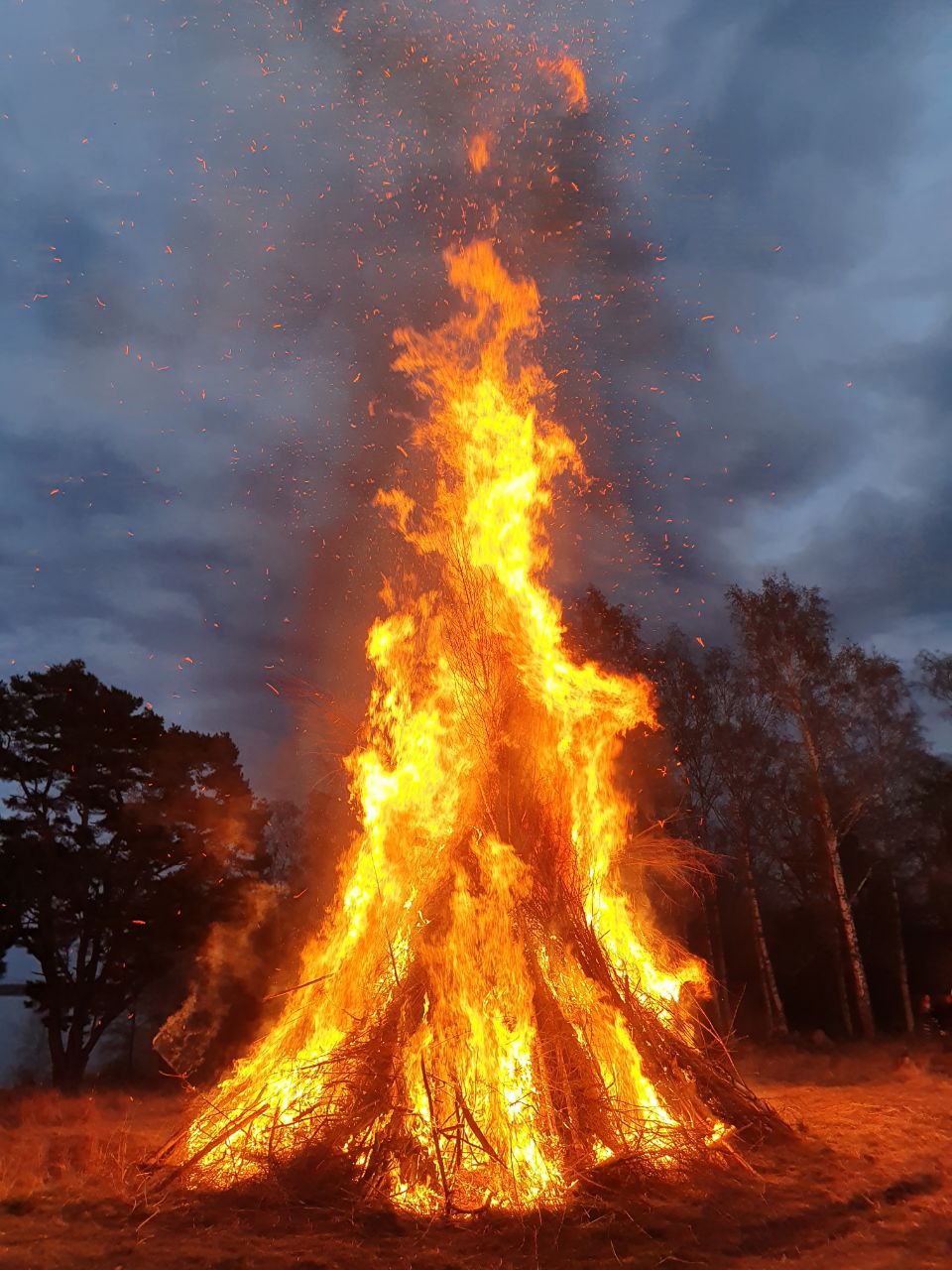
☀️ Att tända midsommarbål eller midsommarblot och staga en Majstång är ett av Midsommarens/Sommarsolståndets äldsta inslag. Då till ära för äringsguden Frej och jordgudinnan Gerd och såklart solen, Sunna. Redan vid en hällristning från Nordisk bronsålder i Gerum förekommer avbildningar på hur man stagar en Majstång och dansar runt den.

☀️ Majstång härstammar från ordet “maja” –  ett äldre uttryck som betyder “att smycka med löv” vilket vi gör med midsommarstången. Än idag i Skandinavien finns mycket ursprung av de fornnordiska rötterna kvar i våra nuvarande traditioner – så som våra hedniska förfäder en gång i tiden firade dem.

Glad Midsommar! ⨁

🇬🇧
☀️ Happy Midsummer!
Today we celebrate Midsummer in Sweden, Scandinavia – one of our most loved traditions during the year. In the old peasant society, Midsummer/Summer Solstice was an important turning point: the time before Midsummer was marked by a giving to the soil, while the time after was to reap what the soil gave back to us.

☀️ The holiday symbolizes fertility, prosperity and the brightest day of the year: The Summer Solstice – that occurred the day before yesterday, the longest and brightest day of the year. According to old folk beliefs, the nights around the Summer Solstice and Midsummer are considered to be spiritual and full of wonders – now when nature is at it’s most abundant.

☀️ According to old Scandinavia tradition around this time, women of the household on the farm went out into the fields to wake up the elves dwelling there with rhymes and songs to encourage them to ensure us with growth and good harvest. This could be the foundation of the still remaining tradition of women wearing a Midsummer wreath. One other old custom is that women will pick nine different flowers, place them under the pillow, and then dream about their future husband.

☀️ Midsummer is an ancient, originally pagan tradition that we mainly celebrate here in Scandinavia and in northern Europe. Scandinavia has ancient traditions based on our different seasons and the position of the sun, like the Summer Solstice (Midsummer) and the first fullmoon after the Winter Solstice (Jóul), which was established long before the Christianization of Scandinavia. Other European ethnic groups also celebrate Solstice in similar ways.

☀️ To light a Midsummer fire or Midsommarblót and bracing a Maypole is one of the older elements of Summer Solstice and Midsummer. It’s in worship to the god of honor Freyj, and the earth goddess Gerd, and ofcourse the sun – Sunna. On a rock carving in Gerum, Sweden from the Nordic Bronze Age, there are depictions of how to brace a Maypole and dance around it.

☀️ The word Maypole is derived from the word “maja” – an older term meaning “to adorn with leaves” which we do with the midsummer pole. Even today in Scandinavia, much of the origin of the Old Norse roots still exists in our current traditions – as our pagan ancestors once celebrated them.
Happy Midsummer! ⨁
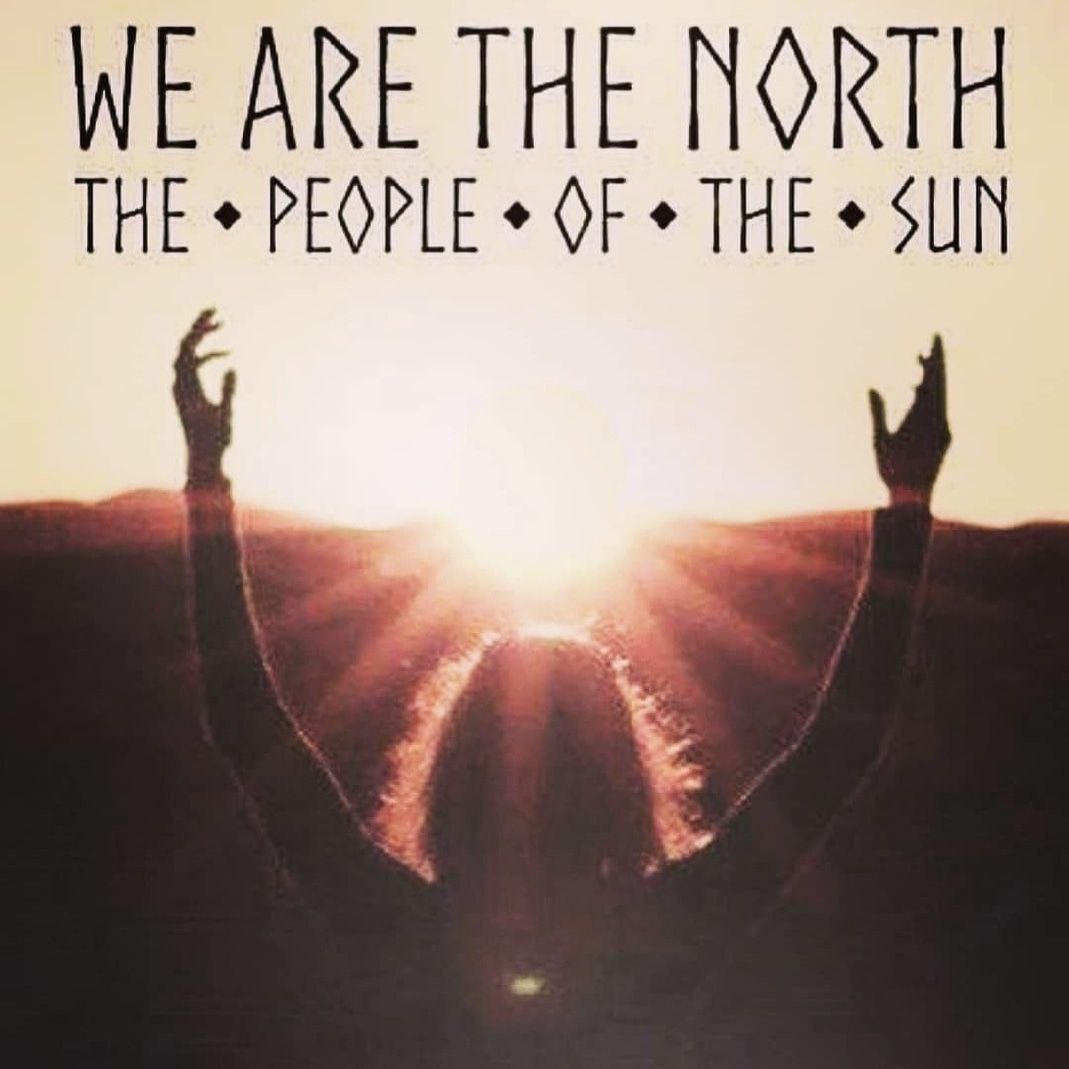
↟ Sommarsolståndet – Summer Solstice ↟

🇬🇧 – below! ⬇️

Idag infaller Sommarsolståndet i norra halvklotet som vi i Skandinavien främst uppmärksammar om några dagar genom vår uråldriga traditionella högtid Midsommar. Idag är det den längsta och ljusaste dagen på året här i Skandinavien och Norden, vår natur är nu som ymnigast och nätterna ljusa. Längre upp norr i Skandinavien har vi nu i dessa sommarmånader ett fenomen som kallas Midnattssol – solen går ej ned under horisonten och skiner hela nätterna. Passa på att vara uppe lite längre inatt och ta vara på denna synnerligen magiska upplevelse!

Vi skandinaver är ett folk av solen – Sunna. Vi har uråldriga traditioner som grundar sig i våra olika årstider och solens position, likt Sommarsolståndet (Midsommar) och den första fullmånen efter Vintersolståndet (Jóul) som etablerades långt före kristnandet av Skandinavien. Mycket ursprung av de fornnordiska rötterna finns än idag kvar i våra nuvarande traditioner, så som våra hedniska förfäder en gång i tiden firade dem ☀️

🇬🇧
Today the Summer Solstice occurs here in the northern hemisphere that we mainly will celebrate in coming days in our famous Scandinavian tradition called Midsummer. Today is the longest and brightest day of the year here in Scandinavia and in the North. Nature is full of life and wonders, and the nights are very bright. Further up north in Scandinavia we now have a phenomenon called Midnattssol (midnight sun). The sun never sets during the summer months, and shines bright during the whole nights. Take the opportunity to stay up a little longer tonight to experience this extremely magical moment!

We Scandinavians are a people of the sun – Sunna. We have ancient traditions based on our different seasons and the position of the sun, like the Summer Solstice (Midsummer) and the first fullmoon after the Winter Solstice (Jóul), that were established long before the Christianization of Scandinavia. Much of the origin of the Old Norse roots still exists today in our current traditions, as our pagan ancestors once celebrated them.

Blessed Summer Solstice! ☀️

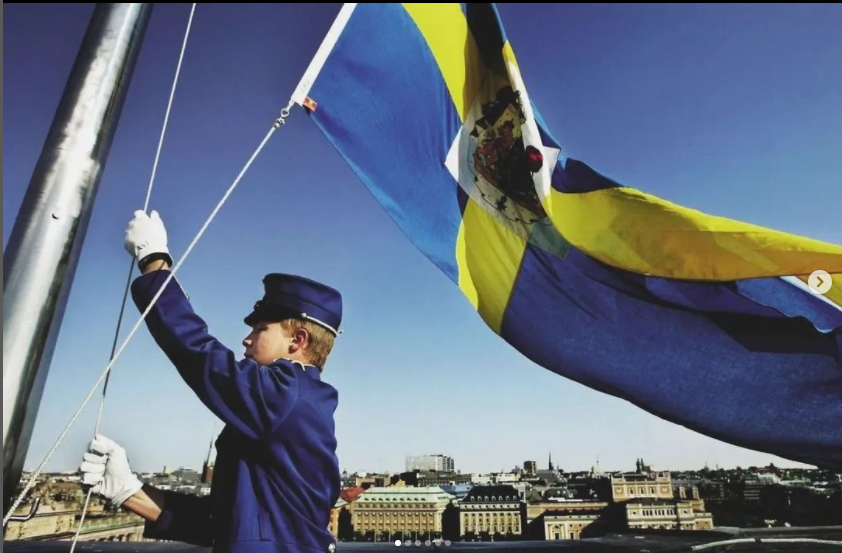
↟ Glad nationaldag! Länge leve Sverige! 🇸🇪

👑 Idag den 6 juni är det Sveriges nationaldag och just denna gång är mycket speciell och historisk – idag är det exakt är 500 år sedan som Sverige blev självständigt! Den 6 juni 1523 valdes Gustav Vasa till kung i Sverige, vilket senare kom att lägga grunden för Sveriges självständighet. Vi tog oss då ur Kalmarunionen som primärt styrdes från Köpenhamn.

👑 Den svenska monarkin grundar sig på traditioner som sträcker sig mer än tusen år tillbaka i tiden. Antalet kungar har under denna långa tid uppgått till fler än 70 män, som alla kan anges vid namn. Sveriges nationaldag är svenska flaggans dag, helgdag samt även officiell salutdag. Enligt gammal tradition sköt Örlogsfartyg tidigare salut som en hedersbetygelse till vår nation.

👑 Idag firar svenskar runt om i hela landet Sveriges nationaldag – det är en dag för vårt folk, familj, nation, tradition, historia och stolthet! Vid Sveriges nationaldag är det vanligt att äta Nationaldagsbakelse och svenskar firar med den svenska flaggan hissad och klär sig i Sverigetröja eller i den Svenska Nationaldräkten, även kallad Sverigedräkten som blivit vanligare på senare tid.

👑 Sverige är en konstitutionell monarki där landets konung Carl XVI Gustaf är landets statschef sedan den 15 september 1973. Hans uppgifter är reglerade i lag och han är den längst regerande monarken i Sveriges historia. Kungafamiljens traditionsenliga firande äger rum på Skansen i Stockholm, där de deltar i firandet klädda i den Svenska Nationaldräkten. Heder till vårt kära folk där eldar brinner än – Länge leve konungen! Glad nationaldag alla svenskar och grattis till 500 år, Sverige!

🇬🇧
👑 Today, the 6th of June is the National Day of Sweden, but this time it is extraordinary because today is exactly 500 years since Sweden became independent! In 1523 6th of June, Gustav Vasa was elected king of Sweden, which later laid the foundation for our independance – we left the Union of Kalmar which was controlled from Copenhagen.

👑 The Swedish monarchy is based on traditions that goes back more than thousand years back in time. The number of kings during this long time has amounted to more than 70 men, all of whom can be named. The National Day of Sweden is a official flag day, a public holiday and an official salute day. According to an old tradition, Warships fired salutes as a tribute to our nation.

👑 Native Swedes all over the country will celebrate this day – a day for our folk, family, nation, tradition, history and pride for our country! On this day it’s common to eat National Day pastries and native Swedes celebrate with Swedish flags and wears a Sweden sweater or optional, the Swedish National Costume – which has become more common again in recent times.

👑 Sweden is a constitutional monarchy where the reigning King Carl XVI Gustaf, has been the country’s head of state since 1973 15th of September. His duties are regulated by law, and he is the longest reigning monarch in Sweden’s history. According to tradition, The Royal Family participates and celebrate at Skansen, Stockholm and are dressed in the Swedish National Folk Costume. Honor to our beloved folk where the fires is still burning – Long live the King! Happy National Day all native Swedes, and happy birthday to 500 years, Sweden! 🇸🇪

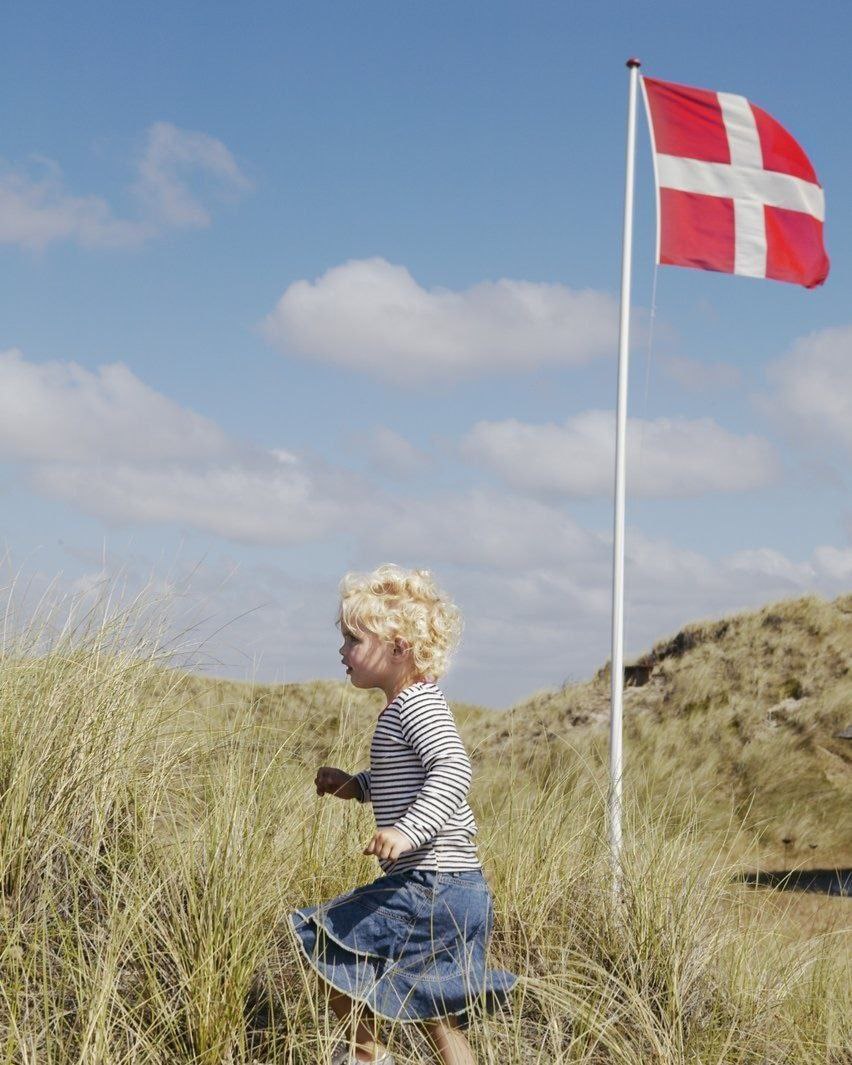
↟ Happy Constitution Day, Denmark! 🇩🇰

Since 5th of June 1849, Denmark became a constitutional monarchy and received it’s first democratic constitution. Today, Danes celebrate constitutional celebrations in Denmark and raise the Dannebrog.

Dannebrog is the name of the Danish flag, and the legend says that it fell from the sky to Valdemar Sejr’s troops during the battle of Lindanäs in Estonia 1219, 15th of June. It is the oldest official flag in the world. Dannebrogen means “Danish clothes” or “well processed fabric”. The cross design was first used on the Danish flag, which was then also taken over by the other Nordic countries.

Denmark is a constitutional monarchy where the queen Margarethe II of Denmark has been the country’s head of state since 1972 14th of January. Her firstborn son, Crownprince Frederik is the successor to the throne. Happy Constitution Day to all Danes! 🇩🇰

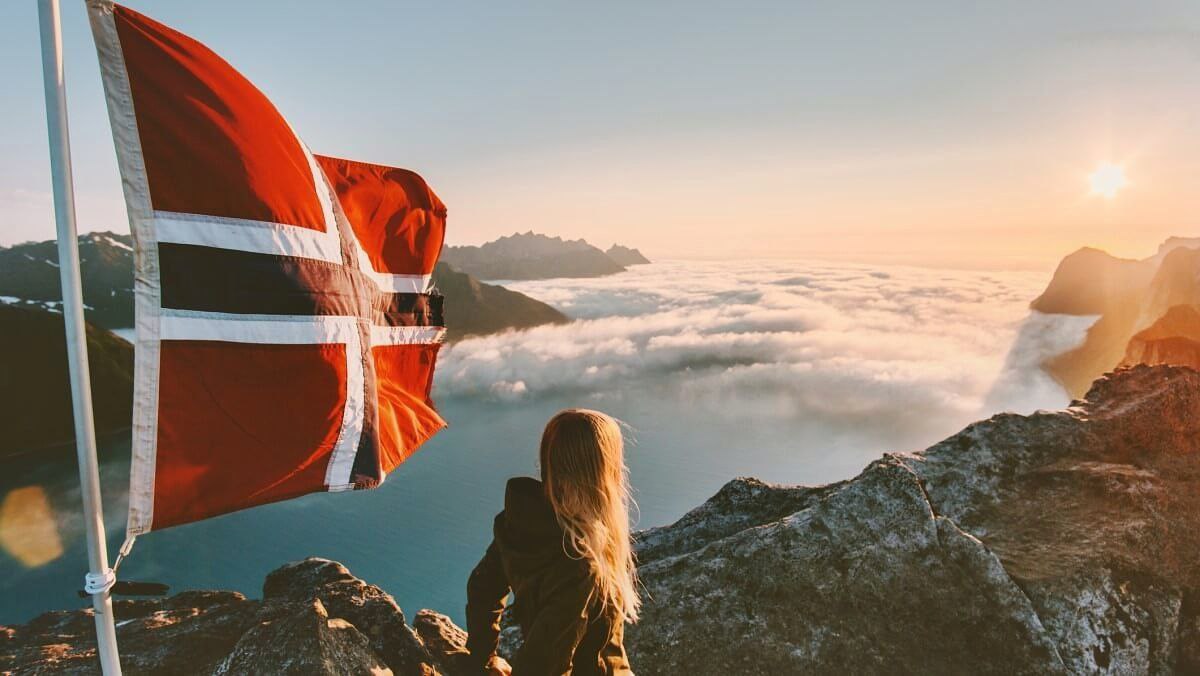
↟ Gratulerer med dagen, Norge! 🇸🇯

Today is the National Day of Norway (Constitution Day). The 17th of May 1814 the King Christian Frederik signed the country’s constitution. It began with a short period of independence for Norway before the union with Sweden came to begin the same year, but which then came to be dissolved in 1905. May 17th is a holiday and official flag day that is celebrated extensively in Norway, and many people are wearing their traditional folk costumes.

Norway is a constitutional monarchy where the reigning King, Harald V of Norway, is the country’s head of state. Since January 17th in 1991 he has been King, and his successor to the throne is Crown Prince Haakon of Norway, who is also third cousin with the King of Sweden, Carl Gustaf XVI. Hurra for Syttende Mai!

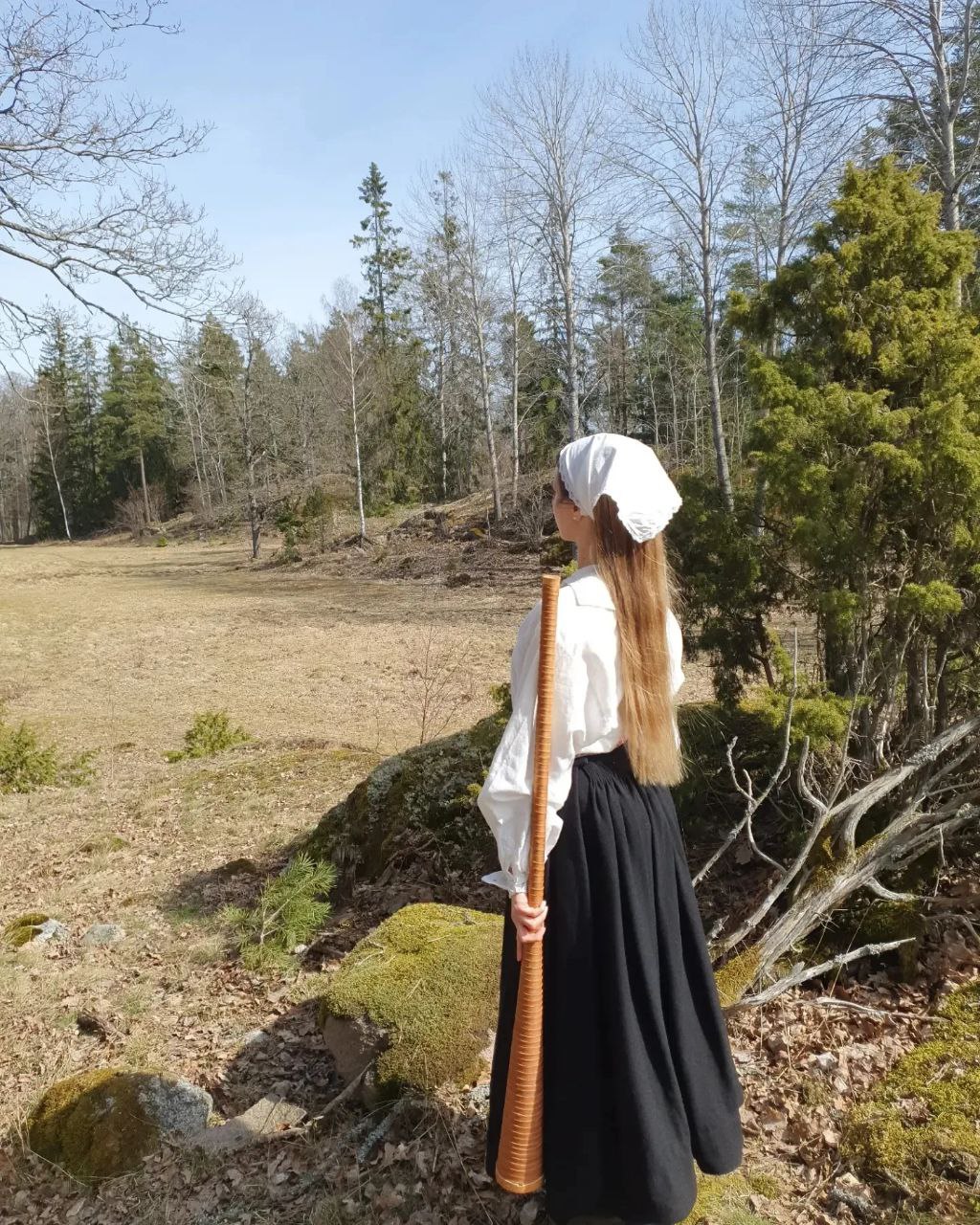
↟ Here the soil thrives – Worth more than gold. Native Scandinavian from Sweden with an ancient traditional instrument called Näverlur 🌲

Näverlur – Lúðrblást, Norse Hornblést (Birch Horn), is an ancient traditional Scandinavian instrument made of wood of fir and birch. The instrument is dating back 1100 years ago and the oldest Näverlur that has been found in Sweden can be tracked back as far as 900s.

The Näverlur is associated with the old Scandinavian “fäbod-culture” where it was used to attract the animals to come home, scare predators, to keep evil forest creatures away (creatures form our Scandinavian folklore), and to send different messages to other villages over long distances. The sound from a Näverlur has the capacity to travel up to more than 5 kilometres.

There are different melodies for different messages and it was usually women who used these horns. Each one

could play in a unique melody that revealed whom or which village it came from. This type of instrument is also a common find in Scandinavian longships were it was used for many different purposes such as gather troops, send messages, calm the sea and much more.

Today this instrument is mostly used for fanfares at different events or inaugurations, but in some indigenous places in Dalarna it’s still in use.

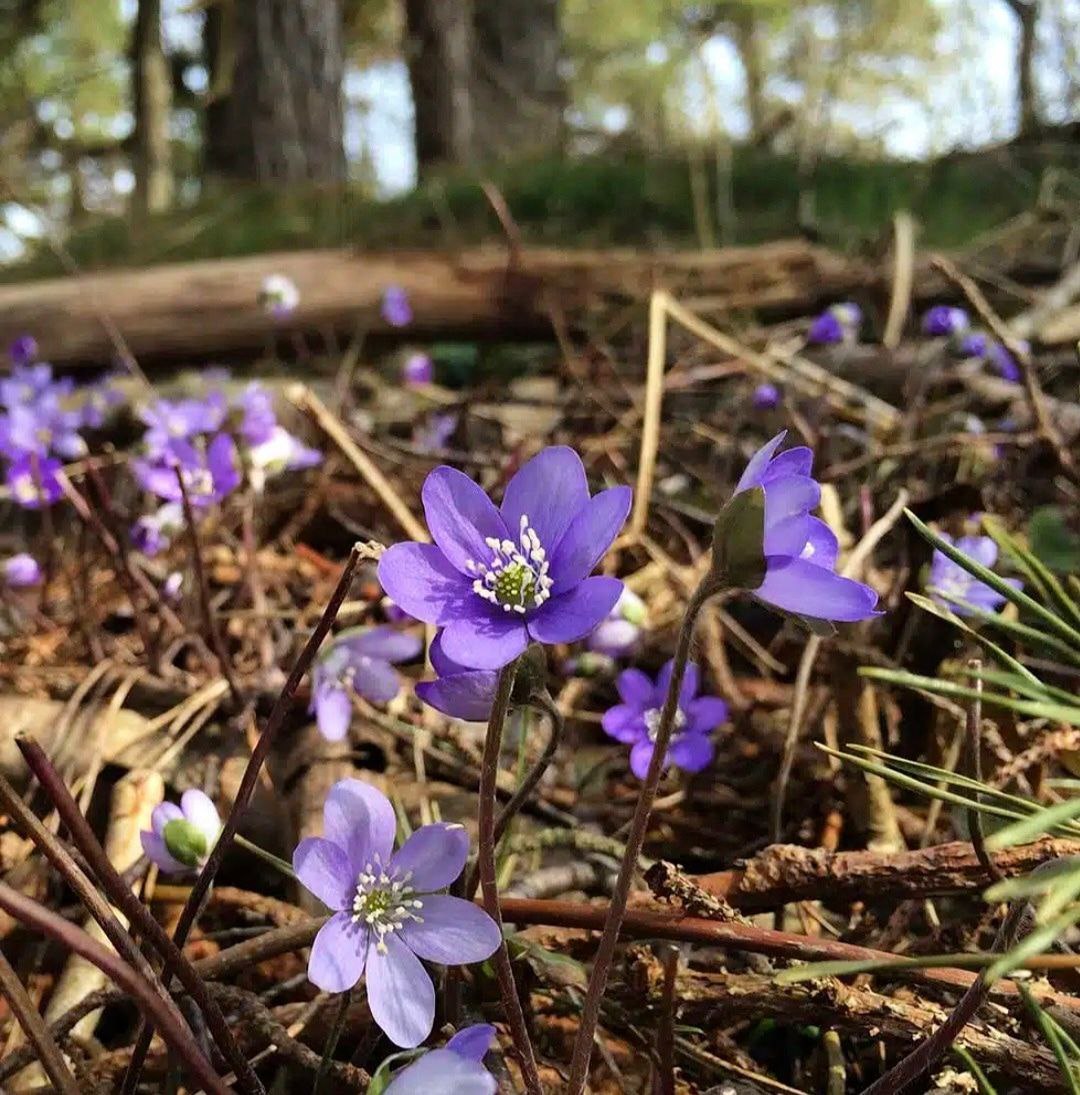
↟ Blåsippa – Anemone Hepatica L.

🇬🇧 – below ⬇️

Blåsippan är en Nordisk vildblomma som tillhör släktet ranunkelväxter och växer vilt här i Skandinavien. De blommar tidigt om våren, beroende på kyla och snö – ibland vid själva snösmältningen. Blåsippan tål frost och snö, den sträcker på sig igen när värmen åter kommer. I Skandinavien blommar dem nu och redan i början av April kan vi skåda dessa vackra små blommor titta upp på flera håll i vår natur. Efter blomningsperioden böjer sig blåsippan mot marken där myror gärna hämtar dess föer som är försedda med köttiga bihang som de sedan äter – på så vis sprids fröna.

Blåsippor frodas i skogs -och hagmarker samt gynnas av kalkhaltiga marker. Blomman är blå, rödblå, vit eller skär och har 6-9 kronblad. Stjälkbladen är stora, mörkgröna och läderartade. Dess rötter kan fortleva i upp till flera hundra år och till skillnad från vitsippan är blåsippan fridlyst sedan omkring 1950-talet i hela Sverige! Man får inte på något sätt skada växten eller dess rötter och man får inte heller plocka blåsippor alls i Stockholms, Hallands, Västerbottens, Skåne och delar av Västra Götalands län. För oss Skandinaver är blåsippan likt flera andra vårblommor ett tydligt vårtecken – nu vet vi att våren är här för att stanna. Idag är det också fullmåne, gå ut och återta kontakten med naturen! 🌲🌕✨️

🇬🇧 Blåsippa – Anemone Hepatica L. The Blue Anemone (Blåsippa in Swedish) is a Nordic wild flower that belongs to the family of ranunculus plants and grows wild here in Scandinavia. They blossom in early Spring depending on how cold and how much snow there is still left. Sometimes even when the snow is still melting. The Blåsippa is resistant against frost, and rises up again when the warmth comes back. In Scandinavia we can see them now, and already in early April we can see these little beautiful blue flowers pointing up in many places in our nature. After the period of blossom, the Blåsippa bends towards the ground, where ants like to collect it’s seeds, which are provided with fleshy appendages, which they gladly eat, thus spreading the seeds.


The Blåsippa thrives in forests and pastures as well as groves, specifically in calcareous soils. The flower is blue, red-blue, white or skerry, and has 6-9 petals. The leaves are large, dark green and leathery. The roots of this flower can live up to hundred years, and in contrast to the White Anemone (Vitsippa), the Blåsippa is red-listed and protected since the 1950s in whole Sweden! You must not damage the plant or it’s roots in any circumstances, and you are not allowed to pick them at all in the counties of Stockholm, Halland, Västerbotten, Skåne and parts of Västra Götaland. For us Scandinavians, this little flower is a clear sign of Spring, now we know for sure that Spring is here to stay. Today we also have a full moon, go outside and reconnect with nature! 🌲🌕✨️

↟ Valborg – Majbrasan/Mayfestival ↟

🇬🇧 – below! ⬇️

🌷Idag firar vi Valborg i Skandinavien som är en mycket gammal högtid som troligtvis härstammar från Segerblotet, där vi firar att våren nu är kommen. Själva brasan har i nutid även kommit att kallas för Majbrasa, vilket beror på att vi också firar maj månad – vårens ankomst.

🌷 Många förknippar dagens Majbrasa och Valborgsfirande med det katolska helgonet Walpurgis från Englands 700-tal. Dock har denna traditionsenliga högtid föga gemensamt med helgonkulturen, Walpurgis har ingenting med Valborgseldarna eller våren att göra eftersom det är en kontinentalgermansk sedvänja av mycket äldre ursprung som forskare idag erkänner är helt och hållet hedniskt. Även i Baltikum och övriga Norden firas vårens inträde och sommarens början med väldiga eldar: Mayfestival/Majfest och Beltane.

🌷 Här i Norden ärar vi Freyja vid

Majbrasan/Valborg – i Valborgs eldar ser vi Freyja. Hon är den största av alla diser, vanernas skyddsgudinna, själva Vanadisen. Ordet eller namnet “Valborg” kommer av samma ordrot som Valhall, eller Val-kyrjor – de som korar Valen och har ingenting med katolik eller kristendom att göra. Freyja är Majdrottningen vars stora tid är kommen och den viktigaste gudomen just nu – kärlekens månad då naturens prakt nu i Norden snart kommer vara i full blom. Men Maj är inte Freyjas egen månad, vi får inte glömma bort hennes broder, äringsguden Frej.

🌷 Traditionen firas även av praktiska skäl. Vid denna tid släppte man nämligen ut boskapen på bete och för att skydda djuren mot rovdjur och häxor tände man väldiga eldar enligt gammal svensk folktro. Tiden vid Valborg så krattade man och rensade bort det gamla gräset och höet på åkrar och ängar. Högarna som då blev eldade man upp, man rensade helt enkelt bort det gamla för att välkomna det nya.

🌷Idag är det även Sveriges konungs födelsedag, Carl XVI Gustaf fyller 77 år och är den längst regerande monarken i Sveriges historia 🇸🇪

Länge leve konungen!
Hell Freyja!

Trevlig Valborg/Majbrasa! 🌷
(Den traditionella vårsång som sjungs vid Valborg/Majbrasan i Sverige: “Längtan till Landet”.)

🇬🇧 Today in Scandinavia it’s time for celebration of Valborg/Majbrasan or Mayfestival/Majfest🔥 It’s an ancient originally heathen tradition that heralds from the Sígrblót, and we celebrate that Spring now has arrived. The big fire itself has also come to be called “Majbrasa”, “Maybonfire” which is due to the fact that we at the same time celebrate the month of May – the arrival of Spring. 

🌷 Most people associate today’s Mayfestival and Valborg celebration with the Catholic Saint Walpurgis from England’s 700s. However, this tradition has very little in common with the culture of Saints, Walpurgis has nothing to do with the big fires of Valborg or spring because it’s a continental Germanic tradition of much older origin that scientists today admits is entirely heathen. Also in the Baltics and the rest of the Nordic countries, the celebration of spring and the beginning of summer are held with huge fires to celebrate the Mayfestival and Beltane.

🌷 Up here in the North we mainly honor Freyja at the Majbrasa/Valborg. In the fires of Valborg we see Freyja. She is the greatest of all dísir, the protection goddess of the Vanir – the Vanadís herself. The word or name “Valborg” comes from the same origin as Valhall(a) and Val-kyrjor and have nothing to do with Catholicism or Christianity. Freyja is the queen of May whose great time now has come, and she is the most important deity right now – the month of love, when the splendor of nature here in Scandinavia soon will be in full bloom. But May is not only the month of Freyja, we must not forget her brother, the god of honor – Freyj. 

🌷 This tradition is also celebrated for practical reasons. At this time of the year the cattle were released on pasture, and to protect the cattle from predators and witches, huge fires were held according to old Swedish folklore. At this time of the year, we clear away the old grass and hay on the fields and meadows. The piles that become were set on fire – we simply clear away the old dead grass and leaves to welcome new life again. 

🌷 Today is the birthday of the King of Sweden as well. Carl XVI Gustaf who turns 77 years old, and is the longest reigning monarch in Sweden’s history 🇸🇪

Long live the King! 
Hail Freyja! 

Pleasant Valborg and Majfest! 🌷
(The traditional spring song sung at the Majbrasa in Sweden is “The Longing for The Country”).

↟ Glad Påsk! 🇸🇪 Skandinaviska barn från Sverige i traditionella folkdräkter från Leksand, Dalarna.

🇬🇧 – below! ⬇️

🐣 Nu firar vi högtiden Påsk i Skandinavien – en numera kristen tradition, men som har sina rötter i hedendomen. Påsk har idag blivit en familjehögtid som barnen håller kär: att på påskaftonsmorgon leta efter gömda påskägg i trädgården, måla påskägg, äta traditionsenlig påskmat, pynta med påskris/fjädrar, påskliljor samt att på dymmelonsdagen klä ut sig till påskkärring och med en kvast flyga till Blåkulla enligt gammal svensk folktro från 1600-talet.

🐇 Påsk heter på engelska Easter och på tyska Ostern. Dessa båda ord har samma upphov och syftar på den germanska fruktbarhetsgudinnan Ostara eller Eostra, som dyrkades av de flesta Europeiska folkslag. För oss i Skandinavien är det jordgudinnan Gerd – den period då “jorden reder sig” och vegetationen börjar

vakna till liv som vi refererar till nu i April månad, även kärleksgudinnan Freyja.

🥚 Ostara har på senare tid kommit att förknippas mycket med just haren som lyckodjur som är ovanligt fruktsam. Nu när det åter börjar bli bar mark för hönsen blir det också mer kycklingar och ägg. Ägg är en hednisk symbol för livets återfödelse under våren och en gammal tradition förr var att man grävde ned ägg ute på åkerfälten för att det skulle ge en god skörd – detta kan vara ursprunget till att vi idag har letandet efter påskägg som tradition.

🐓 Enligt hedendomen handlar Påsken om våren som stundas, själva återkomsten, uppvaknandet. Enligt den kristna traditionen handlar Påsken om Jesus sista dagar i Jerusalem, död på korset samt uppståndelsen. Vi kan nu på senare tid konstatera att den hedniska anspelningarna levt kvar och kommit tillbaka, och står för en stor del av traditionsfirandet i form av just ägg, påskpynt och själva firandet av att våren är på ingång.

🌱 Vår anses det att vara i Skandinavien när medeltemperaturen under fem dygn i följd har legat över 0°C, men det är heller inte ovanligt att temperaturen sjunker under 0°C flera veckor igen. Första fullmånen efter Vårdagjämningen markerar själva starten för Påsk och även Segerblot/Vårblot – vilket inföll i torsdags. Glad Påsk! 🌞

🇬🇧
Happy Easter/Ostara! Native Scandinavian children from Sweden in traditional folk costumes from Leksand, Dalarna.

🐣 In Scandinavia we now celebrate the holiday of Easter, a Christian tradition but which also has parts of it’s roots in Paganism. Easter has become a family holiday whom the children is very fond of: On Easter morning looking for hidden Easter eggs in the garden, to paint eggs, eat traditional Easter foods, decorating with Easter feathers, daffodils and dressing up to a “påskkärring” and with a broom fly to Blåkulla according to old Swedish folk lore from the 17th centry.

🐇 Easter is called Ostara in German and these two words have the same origin and refer to the Germanic fertility goddess Ostara or Eostra, who has been worshiped by most European peoples. For us in Scandinavia during Easter and now in April, we refer to the soil godness Gerd – the period when “the soil making itself ready” and the vegetation begins to come to life. Also the fertility goddess Freyja.

🥚 Easter/Ostara has been associated alot with the hare as a lucky animal because of it’s great fertility. Now when the snow is almost melted the hens gets more food and therefore more eggs and chickens. Egg is a heathen symbol for rebirth during spring, and back in time it was a tradition to bury eggs in the fields for a fertile harvest – this may be the origin of the tradition that still exist today – to search for Easter eggs.

🐓 According to Paganism the Easter is about Spring, the return and the awakening in nature. According to Christianity the Easter is about Jesus’ last days in Jerusalem, crucifixion and the resurrection. We can notice that the heathen traditions have remained and returned in the forms of eggs, Easter decorations and the actual celebration: Spring is coming.

🌱 It’s considered to be Spring in Scandinavia when the average temperature for five days has been above 0°C, but it’s not rare that the temperature drops down under 0°C for several weeks again. The first full moon after the Spring Equinox marks the very beginning of Easter, and also Sígrblót/Springblót which occurred last Thursday. Happy Easter/Ostara! 🌞